
Bereavement House Clearance Cardiff
Sensitive, Confidential Support Clearing a Loved One’s Home
Clearing a property after losing someone close to you is rarely straightforward, and there’s no need to rush it. We help families across Cardiff clear a loved one’s home with care — sorting keepsakes and sentimental items separately, working at whatever pace suits you, and taking care of everything else so you don’t have to face it alone.
- 5.0 Star Rated
- At Your Pace, Never Rushed
- Keepsakes Set Aside
- Registered Waste Carriers
- 7 Days a Week
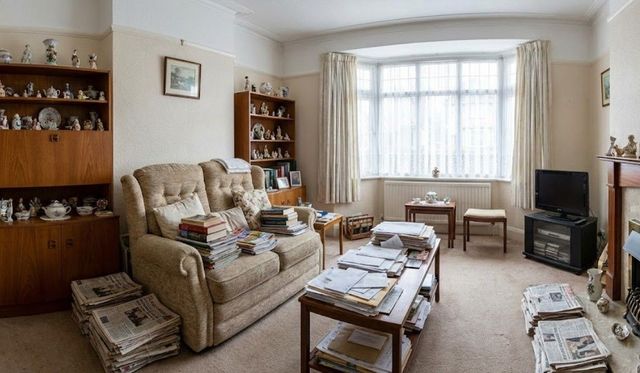
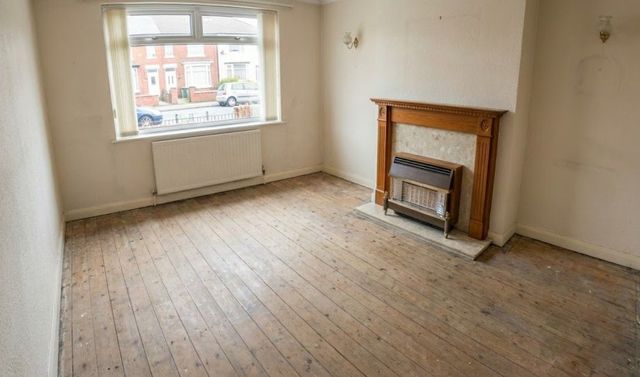
Bereavement Clearance
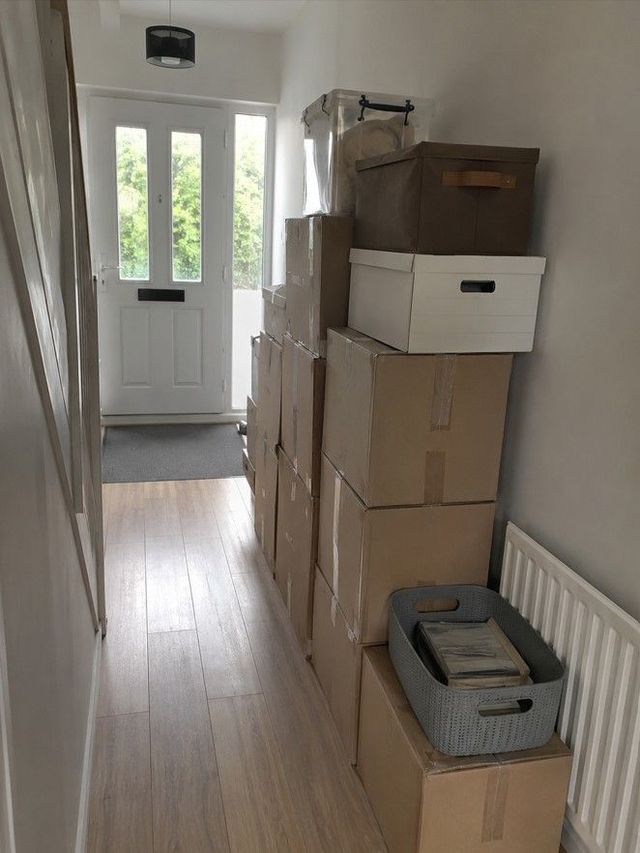
Bereavement Clearance — Cardiff
Belongings carefully boxed and organised ready for collection.
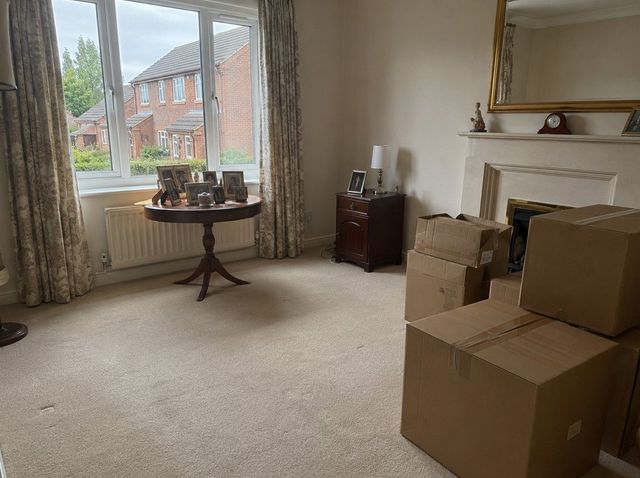
Bereavement Clearance Cardiff — In Progress
A bereavement clearance in progress, with sentimental items set carefully aside.
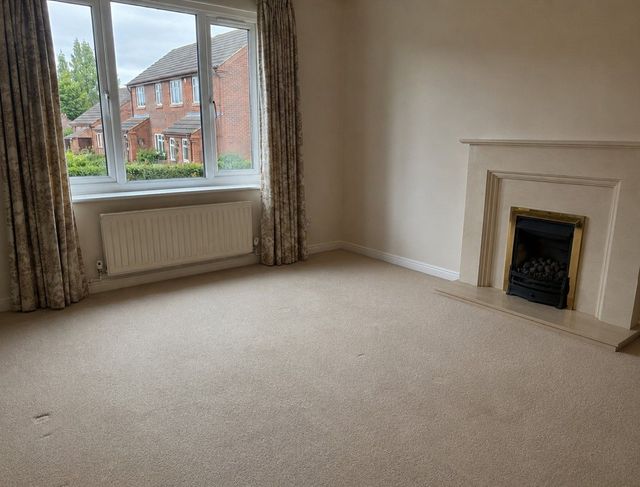
Bereavement Clearance Cardiff — After
A property cleared and ready for its next step, whether that’s sale, rental or family use.
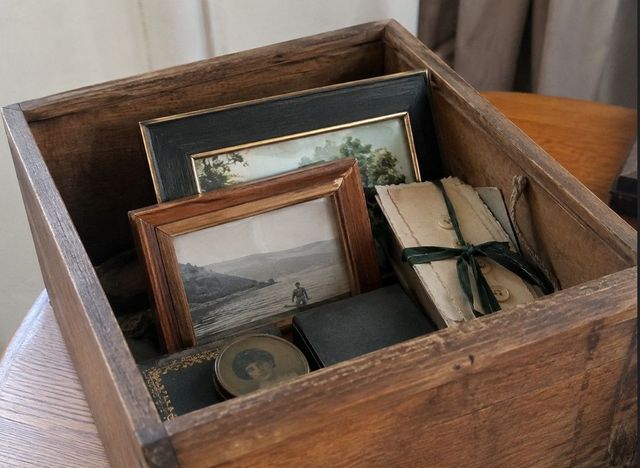
Keepsakes Set Aside With Care
Sentimental items are always set aside separately, never cleared with the rest of the property.
Bereavement Clearance, Handled With Care
Clearing the home of someone you’ve lost is rarely just a practical job. Often the family lives elsewhere, the house has been lived in for decades, and nobody knows where to start. What people need most isn’t just someone to move furniture – it’s someone who understands that every item in that house tells a story, and who works through it with that in mind.
At J&Z House Clearance Cardiff, we provide complete or partial bereavement clearance services across Cardiff and the surrounding areas. Whether you're a family member trying to navigate what stays and what goes, or you're managing this as an executor or on behalf of a solicitor, we approach every clearance with the same level of care. This isn't like clearing out an office or sorting through garden waste. There's wedding china that needs separating from everyday plates, photo albums that shouldn't end up in the van, and sometimes items mentioned in the will that need identifying before anything leaves the property. If you're specifically managing this as part of probate, our probate house clearance page covers the executor and solicitor side in more depth.
We handle the practical side while respecting that this is probably one of the harder things you'll have to arrange. From our first conversation through to leaving the property ready for its next stage – whether that's cleaning, decoration, or sale – we work at your pace and follow your instructions exactly. Some families want to be there for the whole process. Others prefer we handle everything and just need photos sent through for final decisions. Both approaches work fine for us.
What Is Bereavement Clearance?
Bereavement clearance is a specialist house clearance service that removes contents from a property after someone has passed away. Unlike standard house clearances, we handle these jobs with extra sensitivity because we're often working with families during a difficult time, and many items have sentimental value or legal implications. The service typically includes:
- Identifying items mentioned in the will or requested by family members
- Sorting belongings into different categories – what goes to auction, charity, family, or disposal
- Removing all contents from the property, either completely or partially based on your requirements
- Coordinating multiple destinations for items, including storage facilities, auction houses, charity shops, and recycling centres
- Preparing the property for its next stage, whether that's cleaning, renovation, or sale
We can handle everything from a single room clearance where most items are staying with family, through to a complete property clearance where every item needs removing. Each job's different, and we adapt our approach based on what you need and how involved you want to be in the process.
Why Professional Bereavement Clearance Matters
There's a reason families across Cardiff choose professional bereavement clearance rather than trying to handle it themselves with mates and a borrowed van. We've seen what happens when people underestimate the job – three weekends in, they're exhausted, the property's still half-full, and nobody's spoken about anything except house clearance for a month.
Doing it yourself is slower and harder than most families expect. Every drawer brings memories back, decisions about what to keep pile up, and a job planned for a weekend can stretch across months. Handing the physical work to us lets you spend your energy on the decisions that matter, while the property is cleared and items go exactly where the will or the family says.
Volume and logistics
A typical three-bedroom house holds far more than people expect – not three van loads, but more like eight or nine, and you need to know how to load efficiently so items don't get damaged in transit.
Multiple destinations
Unlike a standard house move where everything goes to one place, bereavement clearances often involve four or five different drop-offs. Certain furniture to auction, clothing to charity, family heirlooms to relatives, garden equipment to recycling centres. Coordinating that whilst you're grieving adds unnecessary stress.
Physical demands
Clearing a house isn't just about carrying boxes. There's furniture that needs dismantling, loft spaces to access, garden sheds packed with decades of tools. We've got the equipment, the team, and frankly the back strength that most people don't have after a week of this sort of work.
Emotional distance
Sometimes having someone outside the family handle the physical clearance lets you preserve your energy for the decisions that actually matter. You shouldn't have to spend your bereavement leave hauling bin bags. We're not saying you can't clear a house yourself. We're saying you don't have to, and there's no medal for making grief harder than it needs to be.
Our Bereavement Clearance Process
Initial contact and assessment
Most people reach out by phone or through our website, often sending photos of the property. This isn't us being lazy about site visits – it's actually faster for everyone involved. You can take photos on your phone right now, send them through, and we'll have a quote back to you within a few hours rather than waiting days to coordinate diaries for a visit. That said, if you'd prefer we visit the property first, that's absolutely fine.
Planning the clearance
Once you've accepted the quote, we'll arrange a date that works around your schedule. We ask specific questions at this stage: are family members taking items before we arrive? Is anything being donated to particular charities? Are there items for auction? For properties where items are being distributed to multiple destinations, we'll create an inventory list.
On the day
Our team arrives at the agreed time – usually early morning so we can make the most of daylight hours. If you've asked to be present, we'll walk through the property with you first. The actual clearance itself is systematic. We work room by room, loading items carefully based on their destination.
After clearance
Once everything's out, we'll do a final sweep of the property. We check lofts, under stairs, garden sheds – anywhere items might've been forgotten. Coat pockets, toolboxes and the backs of drawers are all checked before anything leaves – better we find it than the next occupant. The whole process for a standard three-bedroom house typically takes one to two days, depending on volume and how many destinations items are going to.
Complete vs Partial Bereavement Clearance
Not every bereavement clearance looks the same, and we've handled enough of them across Cardiff to know that what works for one family doesn't work for another. The two main approaches are complete clearances and partial clearances, and which one you need usually depends on the will, family circumstances, and what's happening with the property.
Complete property clearance
This is where we remove everything from the property – furniture, personal belongings, kitchen contents, clothing, garden equipment, the lot. The property's left empty and ready for whatever comes next, whether that's professional cleaning, renovation work, or preparing it for sale. Complete clearances often happen when families have already taken what they want before we arrive – they've been through, collected photo albums and personal items with sentimental value, and everything remaining needs clearing. It's actually easier this way sometimes – fewer decisions to make on the day, and we can work faster. We also see complete clearances regularly where an executor is managing probate, sometimes from outside Cardiff entirely – see our page on clearance for executors during probate for how that typically works.
Partial clearance
This is where specific items are being kept, either because they're mentioned in the will, because family members are collecting them, or because they're being moved to storage while things are sorted. Partial clearances need more coordination and clearer communication upfront. Where several family members are collecting different things on different days, we can clear everything except the items on their lists, move those into one room and photograph them individually so there’s no confusion about what’s being held back, then come back and clear that room once everything has been collected. The challenge with partial clearances is identification – we photograph items being retained and items being removed if there's any potential for confusion.
What Happens to Items We Collect
This is one of the first questions people ask, and it's a fair one. You're trusting us with a lifetime's worth of belongings, and you want to know they're being handled responsibly rather than just dumped in a skip somewhere.
Charity donations
A lot of what comes out of Cardiff homes during bereavement clearances is in perfectly good condition – it's just not wanted by the family. Clothing, kitchenware, books, small furniture, bedding. We work with several local charities across Cardiff who are always grateful for donations – the big national ones with local branches, plus smaller community charities in specific Cardiff areas. We can't donate everything though: charities won't take items that are damaged, heavily worn, or don't meet safety regulations. Upholstered furniture needs fire safety labels, electrical items need to be PAT tested.
Auction houses
Antiques, collectables, quality furniture, jewellery – items with genuine value get sent to auction rather than charity. We've got relationships with auction houses in and around Cardiff who specialise in house clearance lots and estate sales. You genuinely never know what's valuable until someone who knows what they're looking at sees it.
Recycling and scrap
Metal, wood, certain plastics, garden waste, electronic equipment – there's a lot from house clearances that can be recycled rather than sent to landfill. Scrap metal dealers take old appliances, bed frames, garden furniture, tools. Electronics go to WEEE recycling centres where they're dismantled responsibly rather than dumped.
Disposal as a last resort
Some things genuinely can't be donated, sold, or recycled – damaged furniture, heavily soiled items, things that are just worn out beyond use. These go to licensed waste facilities where they're disposed of properly. We keep disposal to a minimum because it's wasteful, but sometimes it's the only option.
| Item Type | Typical Destination | Example Items |
|---|---|---|
| Good condition household | Charity shops | Clothing, kitchenware, books, small furniture |
| Valuable items | Auction houses | Antiques, jewellery, collectables, quality furniture |
| Metal & appliances | Scrap yards & recycling | Old appliances, bed frames, garden equipment |
| Electronics | WEEE recycling centres | TVs, computers, small electrical items |
| Wood & garden waste | Recycling facilities | Fence panels, broken furniture, garden debris |
| Unusable items | Licensed waste facilities | Damaged furniture, heavily soiled items |
How Much Does Bereavement Clearance Cost in Cardiff?
Nobody wants to talk about money when they're arranging a bereavement clearance, but you need to budget for it, and you deserve a straight answer about what affects the cost. There's no standard price because no two houses are the same, but here's what we consider when we're quoting.
Volume of items
The obvious one – more stuff means more work, more van loads, more time. A studio flat can be cleared in a few hours; a detached house with a full loft and garage can take several days.
Access and logistics
A ground floor flat with parking outside is straightforward. A third floor flat with no lift and permit parking only is a different proposition. Built-in wardrobes and furniture assembled in the room have to be taken apart before they can come out. That takes time, and time affects cost.
Destinations for items
A straightforward disposal job where everything goes to one recycling centre is simpler than a job where we're making five different stops – auction houses, charity shop, family member collection, recycling centre.
Sorting and segregation
If you need us to sort through items and separate what's valuable from what's not, that takes longer than loading everything into the van. If you’d like every book, pocket and box checked before it goes – because someone was known for tucking money or papers away – we can do that. It’s often worth it, but it takes longer.
Potential revenue from auction items
If there are items going to auction that sell well, the revenue can offset some of the clearance cost. Good furniture, antiques and collectables sent to auction can make a real dent in the cost. Not every job works out that way, but when there's genuine value in the items, it's worth considering.
| Property | Typical Range |
|---|---|
| Studio or one-bedroom flat (minimal contents) | £300–£600 |
| Two-bedroom house (average contents) | £600–£1,200 |
| Three-bedroom house (average contents) | £1,200–£2,000 |
| Four-bedroom house (full contents) | £2,000–£3,500+ |
Those aren't quotes – they're just to give you a realistic idea of scale. Send us photos and we'll give you an accurate quote based on what we can see.
How payment works
We typically invoice after the work's completed, though for larger jobs we might request a deposit upfront. If you're arranging clearance directly – for example as a surviving spouse or family member – you'd typically pay directly. If you're managing this as an executor as part of probate, payment usually comes from the estate, and our probate clearance service page covers how that reclaim process typically works.
Timing Your Bereavement Clearance
There's no right time to clear a property after someone's passed away. Some families want it done quickly because the emotional weight of walking into that house is too much. Others need time before they're ready to let go of the space. We've worked with both, and everything in between. If probate is involved and timing is a factor, our guide to clearing a property during probate covers that side specifically.
Property sale considerations
Most properties sell better empty – buyers can visualise the space more easily. Estate agents will usually advise clearing the property before photos are taken and viewings start. We can usually accommodate tight timescales – we've cleared properties within a week of being contacted when sales are being progressed quickly.
Rental properties and tenancy considerations
If the person who's passed away was renting, there's often a deadline for clearing the property written into the tenancy agreement. If the tenancy gives you a couple of weeks to clear, we can work to that.
Family coordination
Sometimes the delay isn't about property sales at all – it's about getting family members coordinated about who's taking what. Our advice? Make those decisions first, then call us. If coordination is proving difficult, one option is for us to clear everything except disputed items, which we move to one room and lock, then come back for a final clearance once things are agreed.
Emotional readiness
Some people want the house cleared within days. Others need months. Neither approach is right or wrong – grief doesn't follow a schedule. For many people, the anticipation turns out to be harder than the clearance itself.
Our availability
We work seven days a week, and we can usually fit jobs in within a few days of being contacted. If you need to book weeks in advance because of family schedules or property sale timelines, that's fine too – just don't leave it until the last possible day before a sale completes or a tenancy ends, in case the job takes longer than expected.
Finding and Protecting What Matters
One of the questions families ask is whether we'll spot valuable items that might otherwise get missed. The honest answer is we've got a good eye for things that look like they might be worth something, but we're not valuers or antiques experts. What we are good at is being thorough and checking places where people commonly hide or store valuable items.
Where people keep valuables
Valuables turn up in unexpected places: jewellery in kitchen canisters, cash rolled into socks at the back of drawers, premium bonds inside book covers, medals in a toolbox in the shed, documents in biscuit tins, savings books down the side of an armchair. When we're doing a clearance, we check properly – opening every drawer, checking pockets before clothing's bagged, looking inside books before they're boxed, checking under mattresses and in attic spaces properly rather than just glancing up.
Documents and personal papers
Birth certificates, marriage certificates, property deeds, insurance policies, share certificates, pension documents – these aren't valuable in themselves but they're extremely important, and the sort of thing that can accidentally end up in a bin bag if nobody's paying attention. We separate all documents we find and hand them to whoever's managing the clearance. Bank statements and utility bills from the last few months are particularly valuable for closing accounts and finalising affairs – keep everything until you're certain you won't need it.
Sentimental items
Photographs, letters, children's artwork, handwritten recipes, diaries – items with no monetary value but massive emotional value. If you're not present during the clearance, tell us specifically what you want protected. "All photographs" is clear. "Anything that looks personal" is a bit vague, because everything in someone's house is technically personal. We'll set aside anything that looks sentimental, but we need guidance from you about what matters.
Disputed items
Sometimes there are items that multiple family members want, or disagreement about value or who should have them. We stay well out of family disputes – that's not our job. What we can do is photograph disputed items, secure them separately, and leave them for the family to resolve.
Insurance and liability
We're fully insured for the work we do, but insurance doesn't cover situations where items weren't identified upfront. The best protection is communication – tell us what's valuable, what's sentimental, what needs extra care, and give us clear instructions about what should be set aside rather than cleared.
Why Cardiff Families Choose Us for Bereavement Clearance
Local knowledge matters
Being based in Cardiff means we know the area properly – which auction houses specialise in what, which charities will collect furniture, where the recycling centres are and what they accept. We also understand Cardiff properties: Victorian terraces with narrow stairs in Roath, post-war semis in Whitchurch with awkward access, modern flats in Cardiff Bay with restricted parking.
Respectful and professional
We treat every clearance with the care it deserves. Opening a cupboard can bring back memories, and executors of any age can find the process overwhelming. Whatever the situation, we handle it professionally and with empathy.
Fully licensed and insured
We're registered waste carriers, which means we're legally allowed to transport and dispose of household waste. We're fully insured for the work we do, and we dispose of items through proper channels using licensed facilities.
Available when you need us
Bereavement doesn't happen on a convenient schedule. We work seven days a week, and we can accommodate urgent clearances when needed.
Bereavement Clearance Near Me
If you need to clear a loved one's home in or around Cardiff, we're here to help whenever you're ready.
Frequently Asked Bereavement Clearance Questions
How quickly can you clear a property after bereavement?
We can usually start within a few days of being contacted, sometimes sooner if it's urgent. A small flat might be cleared in half a day, whilst a large family home could take two or three days. Once we see photos or visit the property, we'll give you an accurate timeline.
How much does bereavement house clearance cost?
This depends on the volume of items, access and logistics, how many destinations items are going to, and how much sorting is needed. As a rough guide, a one-bedroom flat typically runs £300–£600, up to £2,000–£3,500+ for a full four-bedroom house. Send us photos and we'll give you an accurate quote.
Who pays for a bereavement house clearance?
This depends on your situation – typically whoever instructs the clearance is responsible for the invoice. Where a property was jointly owned, that's often the surviving spouse. Where probate's involved and an executor is instructing the clearance, payment usually comes from the estate – our probate house clearance page covers how that reclaim process typically works.
Do I need to be present during the clearance?
No, you don't have to be there if you'd rather not. Many people prefer working remotely, sending clear instructions and receiving progress photos throughout the day. That said, some family members prefer to be present, particularly if there are items that might need identifying. Either approach works fine for us.
What happens if you find valuable items you didn't know about?
We contact you immediately if we find anything that looks valuable – jewellery, cash, collectables, documents. We photograph it, set it aside, and wait for your instructions. This happens more often than you'd think, and we'd rather pause and check than accidentally dispose of something important.
Can you handle hoarded properties?
Yes, we've got experience with hoarded houses and we approach them without judgement. Hoarding situations need more time and careful sorting, and there can be valuable items mixed in with rubbish. See our page on clearing hoarded homes for an honest assessment of what's involved.
Will you take hazardous materials?
Standard household items aren't a problem, but genuine hazardous materials – asbestos, chemicals, medical waste, gas bottles – need specialist handling through licensed facilities. If we identify anything hazardous during a clearance, we'll let you know and advise on next steps.
How do you handle items mentioned in the will?
If specific items are mentioned in the will, we need clear identification before we start – photos help, or having someone point them out on the day. We'll set aside anything specified and either deliver it to beneficiaries or secure it separately for collection.
What about pets or live animals?
If there are pets in the property that need rehoming, that needs sorting before we start – we're house clearance specialists, not animal rescue. Let us know when you enquire if there are animals in the property, and we'll plan the clearance date around their rehoming.
Areas We Cover
Bereavement Clearance Across Cardiff
From terraced houses in Roath to bungalows in Radyr, we clear homes right across Cardiff and the surrounding area – at whatever pace suits the family.
- Roath
- Whitchurch
- Cathays
- Pontcanna
- Rhiwbina
- Cyncoed
- Lisvane
- Llandaff North
- Radyr
- Cardiff Bay
- See every area we cover →
Other services families ask about