
Overgrown Garden Clearance Cardiff
From a Season's Neglect to a Reclaimed Jungle — We Clear It All
Whether your garden's a season behind on mowing or nature's completely taken over, we clear it in one visit — vegetation, hidden waste, and even the shed if it's seen better days too. Send us a photo and we'll give you a same-day price.
- 5.0 Star Rated
- 7 Days a Week, 7am–9pm
- Cardiff-Based Team
- Registered Waste Carriers
- Free Quotes From a Photo
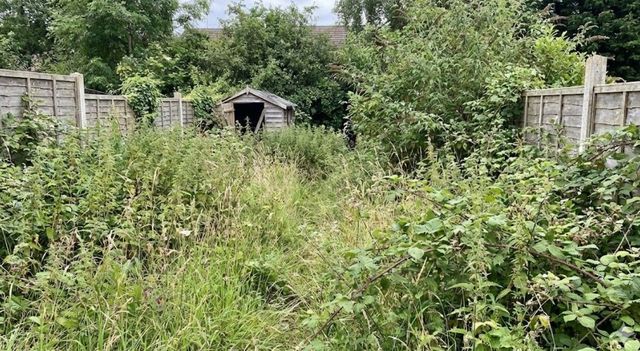
Overgrown Garden Clearance
An overgrown garden can transform from a minor inconvenience into a significant property problem remarkably quickly. Whether you've inherited a neglected outdoor space after purchasing a property, returned from an extended absence, or simply lost control during a busy period, dealing with dense vegetation, hidden debris, and unmanageable growth presents challenges that go well beyond ordinary garden maintenance.
Unlike routine tidying, overgrown garden clearance involves removing established growth that may have been accumulating for months or even years. Brambles develop root systems that penetrate deep into soil, ivy climbs and damages structures, and Japanese knotweed can affect property values and mortgage applications. Meanwhile, beneath the visible vegetation often lies a hidden layer of accumulated waste—from broken garden furniture and rotted timber to builder's rubble and household items that have been "temporarily" stored and forgotten.
Garden Shed Clearance
An overgrown garden often comes with a shed that's suffered the same fate — swallowed by ivy, blocked in by growth, or simply forgotten about while the rest of the garden got out of hand. If yours falls into that category, it's usually far more cost-effective to deal with the shed as part of the same visit rather than booking a separate call-out. We'll clear whatever's built up inside — old tools, broken furniture, garden machinery and general junk — and can either empty the shed and leave the structure standing, or dismantle and remove it entirely if you're planning to replace it. For the full breakdown of what's included, see our shed clearance Cardiff page.
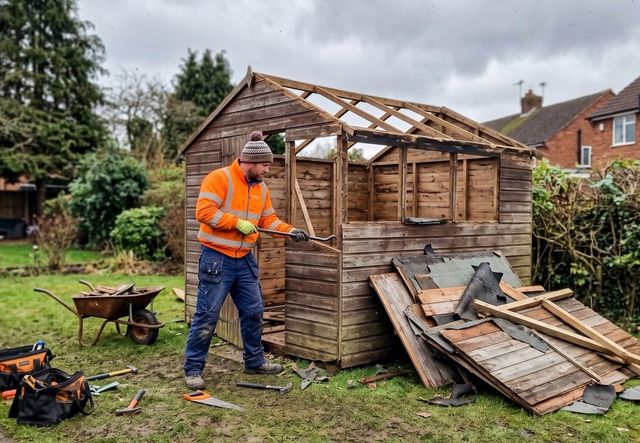
Overgrown Garden Clearance Specialists
For properties across Cardiff, Barry, Penarth and the surrounding Vale of Glamorgan, overgrown gardens are particularly common following house sales, tenancy turnovers, or during estate settlements. The combination of Wales' damp climate and nutrient-rich soil means vegetation grows vigorously, and what starts as a few weeks of neglect can quickly become a jungle that intimidates even experienced gardeners.
The psychological impact shouldn't be underestimated either. An overgrown garden prevents you enjoying outdoor space, reduces property kerb appeal, creates privacy issues with neighbours, and can attract pests. Many homeowners describe feeling overwhelmed by the scale of work required, leading to further avoidance and worsening the problem. This guide walks you through exactly what's involved in overgrown garden clearance, helps you decide whether to tackle it yourself or bring in professionals, and explains how our specialist garden clearance services in Cardiff can restore even the most neglected outdoor spaces quickly and affordably.
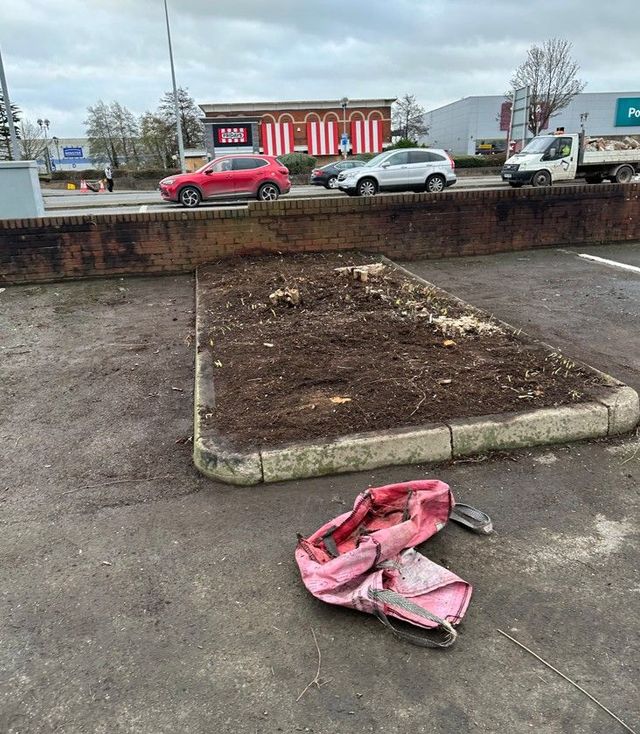
Overgrown Commercial Garden Area in Cardiff
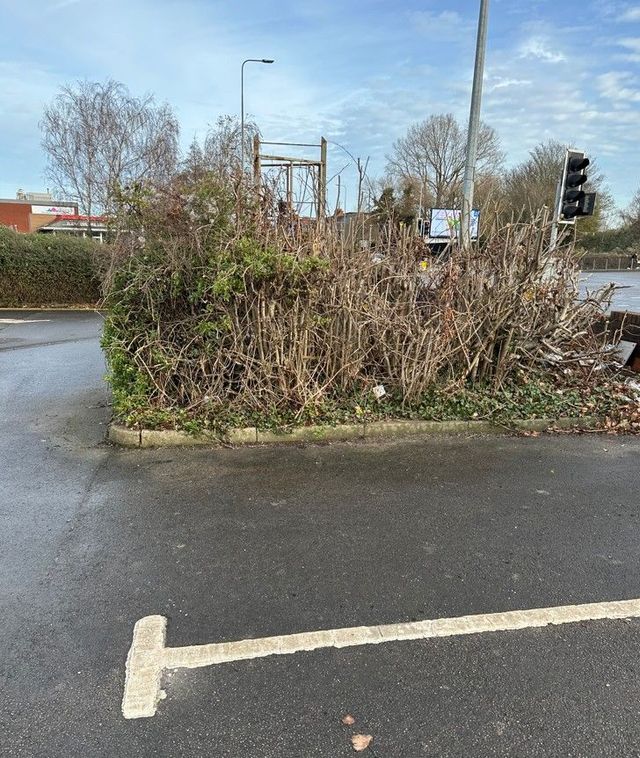
Before - Overgrown Garden Island in Cardiff
Commercial client wanting their car park island that had become an overgrown garden cleared
After - Overgrown Garden Island in Cardiff
Site fully cleared and all overgrown garden waste taken away ready for planting
Assessing the Scale of Your Overgrown Garden
Before deciding how to tackle your overgrown garden, you need an honest assessment of what you're dealing with. Garden clearance requirements vary enormously—from a season's worth of neglected maintenance through to properties where nature has completely reclaimed the space.
Light Overgrowth (3-6 months of neglect)
This typically involves overgrown lawns (potentially knee-high), weeds throughout borders, and shrubs that need significant pruning. You'll still be able to see the garden's basic structure and identify most features. The grass, while long, hasn't yet formed dense thatch layers. Flowerbeds are visible beneath weeds, and paths remain partially accessible. This level usually responds well to determined DIY effort over a few weekends, provided you have basic garden tools and somewhere to dispose of the waste through your council's green waste collection.
Moderate Overgrowth (6-18 months of neglect)
At this stage, the garden's structure becomes obscured. Lawns develop thick thatch that ordinary mowers struggle with, weeds establish deep root systems, and self-seeded saplings appear throughout. Brambles begin spreading across borders, climbing plants escape their boundaries, and you may discover hidden items beneath the growth—old pots, builder's materials, or abandoned garden furniture. Paths may be completely hidden, and you'll need to work systematically just to access different areas. This level demands considerable physical effort, proper tools including a strimmer or brushcutter, and a realistic plan for disposing of significant volumes of waste.
Heavy Overgrowth (18+ months or longer-term neglect)
Heavily overgrown gardens present a different challenge entirely. Brambles form impenetrable thickets, ivy covers fences and potentially climbs buildings, and small trees establish themselves throughout. The original garden layout becomes unrecognisable, and you'll often find layered problems—current season's growth atop previous years' dead vegetation, creating dense, matted undergrowth. Beneath this, there's frequently a substantial amount of hidden waste that's been accumulating and deteriorating. Garden structures like sheds and greenhouses may be partially collapsed or damaged by vegetation. Accessing some areas requires cutting your way through, and the volume of waste generated quickly overwhelms domestic disposal methods.
Hidden Complications
Regardless of overgrowth level, certain complications escalate clearance difficulty significantly. Japanese knotweed requires specialist treatment and can affect property transactions. Established tree roots may have damaged underground services or lifted paving. Ivy that's climbed walls often damages pointing and render. Wildlife may have established nests or habitats that require careful handling. These situations benefit enormously from professional assessment.
The Waste Volume Reality
One aspect that surprises most people tackling overgrown garden clearance is the sheer volume of waste generated. Dense vegetation compresses while growing but expands dramatically once cut. A moderately overgrown 10-metre garden can easily produce enough waste to fill a large van—far exceeding what fits in wheelie bins or typical car boot trips to the recycling centre. This volume issue alone often makes professional garden clearance more practical and cost-effective than attempting DIY removal, particularly when you factor in the time and fuel costs of multiple tip runs.
Taking Stock of What's Beneath
As you assess your overgrown garden, try to identify what's hiding beneath the vegetation. Walk the perimeter and look for clues—bits of timber suggesting an old shed, glimpses of metal indicating a greenhouse frame, or uneven ground suggesting buried rubble or paving. These hidden elements significantly affect clearance complexity. A garden that's simply overgrown with vegetation is straightforward compared to one where you'll also need to remove a collapsed shed, broken paving, or accumulated bulky waste that's been steadily added over the years.
DIY Garden Clearance — When It Works and When It Doesn't
The decision between tackling overgrown garden clearance yourself or hiring professionals isn't simply about budget—it's about matching the task's demands to your available time, physical capability, equipment, and disposal options. Many homeowners start with DIY intentions only to abandon the project halfway through, having wasted weekends and still facing hire costs for proper clearance. Understanding where DIY is viable helps you make the right choice from the outset.
When DIY Makes Sense
DIY clearance works best for light to moderate overgrowth where you can see the garden's structure, access all areas safely, and handle the waste through normal council collections or car trips to the recycling centre. If you're physically fit, have a full weekend available, own or can borrow appropriate tools, and genuinely enjoy physical outdoor work, tackling a manageable overgrown garden yourself can be satisfying. Gardens under 50 square metres with primarily soft growth—grass, annual weeds, and herbaceous plants—fall into this category. You'll need a decent strimmer, heavy-duty gloves, sturdy footwear, and realistic expectations about the time involved.
The disposal aspect proves crucial for DIY success. Cardiff Council collects garden waste fortnightly, but a garden waste bin holds limited volume—about 240 litres. Even a lightly overgrown small garden generates more waste than several bins can accommodate. You'll need multiple collection cycles or be prepared to take waste to one of Cardiff's two recycling centres, Lamby Way or Bessemer Close, yourself. Both accept garden waste free for Cardiff residents, but every visit needs a booked slot and proof of address, everything must fit in your car boot, and a van or car with a trailer is limited to one visit a month. If your garden clearance generates more than your car can handle in three or four trips, DIY becomes impractical.
Where DIY Becomes Problematic
Heavy overgrowth overwhelms DIY capabilities quickly. Dense bramble thickets require proper brush cutting equipment, protective clothing, and considerable physical stamina. Established woody growth needs chainsaws—dangerous tools requiring training and protective equipment. More importantly, heavy overgrowth generates waste volumes that domestic disposal methods simply cannot handle. A typical heavily overgrown Cardiff terrace garden easily produces enough waste to fill a large van, equivalent to 15-20 car boot loads. Even if you're willing to make that many trips, the time investment becomes enormous.
Safety considerations often get underestimated in DIY overgrown garden clearance. Working alone in dense vegetation where you can't see where you're placing your feet creates injury risks. Sharp branches at face height, hidden glass or metal, uneven ground beneath matted growth, and wasp nests concealed in undergrowth present genuine hazards. Professional clearance teams work in pairs, use proper protective equipment, and have insurance covering injuries—factors worth considering for challenging clearances.
The "hidden waste" problem frequently derails DIY efforts. Many overgrown gardens contain layers of accumulated non-garden waste beneath the vegetation—old carpet, broken furniture, rubble, or general household items. Council recycling centres won't accept this mixed waste for free, and you'll face charges for disposing of non-recyclable materials. This often makes the economics of DIY clearance less attractive than initially assumed. Professional rubbish and waste collection services handle all waste types in a single clearance, dealing with segregation and proper disposal as part of their service.
The Equipment Investment Question
Proper overgrown garden clearance requires more than basic garden tools. You'll need a heavy-duty strimmer or brushcutter (£150-£300 to buy, £30-£50 daily to hire), substantial waste bags or trailer access, protective equipment including eye protection and chainsaw trousers if tackling woody growth, and probably a garden shredder if you're trying to reduce waste volume. For a one-off clearance, hiring equipment seems economical until you factor in collection, return, and the learning curve for safe operation. Many DIY attempts stall when homeowners realise their basic mower and hand tools are completely inadequate for the task.
Time Investment Reality
Homeowners consistently underestimate how long overgrown garden clearance takes. A heavily overgrown 10-metre Cardiff garden that professionals clear in 3-4 hours typically takes a determined DIYer an entire weekend, sometimes longer. You're not just cutting vegetation—you're dragging it to a collection point, bagging or loading it, then transporting and unloading at the tip, multiple times. The repetitive nature of the work, combined with physical fatigue and the psychological weight of seemingly endless vegetation, means progress slows significantly through day two. If you're juggling this around work commitments, a "weekend project" easily stretches across several weekends.
The Half-Finished Garden Problem
Perhaps the most compelling argument against DIY for anything beyond light overgrowth is the abandoned clearance. Gardens left half-cleared look worse than neglected gardens, with piles of cut vegetation attracting vermin, exposed areas becoming muddy, and the visible evidence of failure creating stress rather than satisfaction. Professional clearance happens in a single visit—you leave with an overgrown garden and return to cleared space ready for your next steps, whether that's landscaping, installing decking, or simply enjoying usable outdoor space again. The speed and completion guarantee justify the cost for most moderate to heavy overgrowth situations.
Making the Right Choice
Honestly assess both your garden's condition and your capabilities. If you're looking at your overgrown space feeling overwhelmed rather than motivated, that's usually a reliable indicator that professional help will save you stress, time, and potentially money once you account for equipment hire, disposal costs, and the value of your weekends. For anything beyond straightforward vegetation overgrowth in a small garden, professional clearance typically proves the sensible choice.
Overgrown Garden Clearance near me
If you need to sort out your garden waste and live in or around Cardiff, then please get in touch.
The Professional Overgrown Garden Clearance Process
Understanding what happens during professional overgrown garden clearance helps you know what to expect and prepares you for the service. Unlike general garden maintenance, specialist clearance follows a systematic approach designed to handle everything from dense vegetation through to hidden waste, delivering a completely cleared space ready for whatever comes next.
Initial Assessment and Quotation
Professional clearance begins with assessing exactly what needs removing. Most Cardiff garden clearance companies, including ourselves, now use a photo-based quotation system that saves time for everyone involved. You simply photograph your overgrown garden from multiple angles - showing the overall space, close-ups of the densest areas, and any visible structures or waste - then send these through. This remote assessment allows clearance specialists to gauge vegetation density, identify obvious complications like sheds or greenhouses requiring dismantling, estimate waste volume, and provide an accurate quote usually within a few hours.
This approach works remarkably well for overgrown garden clearance because photos clearly show the scope of work. Unlike internal house clearances where room contents might be partially hidden, outdoor overgrowth is visible. Experienced clearance operators can estimate waste volumes accurately from images, accounting for how vegetation compresses during loading. The photo record also protects both parties—it confirms exactly what's being cleared, preventing disputes about additional items or underestimated volumes.
Access and Preparation
Before clearance begins, you'll need to confirm access arrangements. Professional teams typically work from the front of properties, loading directly into vans parked on the road or driveway. This means they can clear front gardens without you being present—simply leaving waste grouped ready for collection, then returning to a cleared space. For rear gardens, teams need access through the property or via side gates. Most clearance work doesn't require homeowners to be present throughout, though being available at the start helps clarify any specific requirements or items to be preserved.
If your overgrown garden contains anything you want to keep—particular plants, garden ornaments, or usable materials—mark these clearly or move them beforehand if possible. Professional clearance teams work quickly and systematically, and once they start cutting through dense overgrowth, distinguishing between wanted and unwanted items becomes difficult. Anything you've identified as salvageable should be either relocated before clearance or clearly marked with high-visibility tape or paint.
The Clearance Work Itself
Professional overgrown garden clearance typically progresses from the most accessible areas inward, creating cleared zones for staging cut vegetation and discovered waste. Our teams use commercial-grade strimmers and brushcutters to tackle dense undergrowth, working systematically rather than randomly attacking the thickest areas. This methodical approach ensures nothing gets missed and allows proper identification of hidden items or complications as the clearance progresses.
Woody growth receives different treatment than soft vegetation. Small trees and substantial shrubs are cut down, then either removed whole if vehicle space allows or sectioned into manageable pieces. The decision depends on waste volume from other materials—clearance teams optimise loading to minimise trips and therefore costs. Root systems are typically cut at ground level rather than excavated unless specifically requested, as removing established roots significantly increases labour time and creates large volumes of soil waste requiring separate disposal.
Dealing With Hidden Items
As vegetation is cleared, hidden items inevitably appear. Overgrown gardens frequently conceal broken pots, old tools, sections of fencing, building materials, and sometimes surprising quantities of general household waste that's been steadily added over time. Professional clearance services handle all these materials as part of the overall clearance, segregating waste appropriately for responsible disposal. This comprehensive approach proves vastly more convenient than DIY clearance where you'd need to sort, transport, and pay separately for disposing of non-garden waste.
Occasionally, clearance teams discover items of value beneath overgrowth—intact garden furniture, salvageable materials, or equipment that simply became buried over time. Reputable clearance companies will pause work to check whether you want these items before disposing of them. This is another advantage of being present during at least the initial stages of clearance, though most teams will photograph discoveries and message you if they're working unattended.
Waste Handling and Disposal
One significant advantage professional clearance offers is proper waste segregation and disposal. Rather than everything going to landfill, experienced teams separate green waste for composting facilities, identify materials for recycling centres, and handle general waste appropriately. This responsible approach benefits the environment whilst keeping disposal costs—and therefore your clearance costs—as low as possible.
Green waste from overgrown gardens typically goes to specialist composting facilities that process large volumes of garden waste. These facilities handle everything from grass clippings through to substantial branches and woody material. Non-recyclable waste goes to appropriate disposal facilities, whilst items in saleable condition might be passed to auction houses or recycling operations. This comprehensive waste management is included in your clearance price—you're not separately charged for disposal, and you don't need to worry about where different waste types should go.
Timeframe Expectations
Typical overgrown garden clearance service in Cardiff happens surprisingly quickly with professional teams. A moderately overgrown terraced garden with standard 8-10 metre depth usually clears in 3-4 hours with a two-person team. Larger gardens, those with very heavy overgrowth, or clearances involving shed dismantling or significant non-vegetation waste take longer, potentially a full day or requiring return visits if waste volume exceeds single-load capacity. However, even extensive clearances rarely take more than two days, and you'll have a cleared garden at the end rather than weeks of weekend DIY stretching ahead.
Speed isn't just about convenience—it's about completion. Professional clearance happens in one continuous session, so there's no period where your garden sits half-cleared, no weeks of cut vegetation piles deteriorating, and no opportunity for the project to stall. This guaranteed completion within a defined timeframe makes professional clearance particularly valuable when you're working to deadlines—property sales, end of tenancy, or scheduled landscaping work.
What You're Left With
Professional overgrown garden clearance leaves you with exactly that—a cleared garden. All vegetation is removed, discovered waste is gone, and structures you've requested dismantling are taken away. The ground surface will be rough and uneven after vegetation removal, particularly if the overgrowth was long-established, and you'll typically see bare soil or damaged grass areas where light was blocked. This is normal and expected—you're starting from a clean slate rather than trying to salvage what was there.
For many properties, particularly those preparing for landscaping work or facing tenancy handovers, this cleared state is the objective. The space is now accessible for whatever comes next, whether that's professional garden maintenance to establish new plantings, patio or decking installation, or simply basic seeding to create usable lawn. If your plan includes further garden work, having clearance and subsequent services coordinated through the same company streamlines the process considerably and often proves more cost-effective than managing multiple contractors separately.
Cost Considerations and What Affects Pricing
Overgrown garden clearance costs vary considerably depending on several factors, making generic price quotes unhelpful. Understanding what influences pricing helps you get accurate estimates and recognise good value when you see it.
Primary Cost Factors
The volume of waste generated represents the single biggest pricing factor. Clearance companies charge primarily based on how much space your garden waste and discovered items occupy in their vehicles. A lightly overgrown small courtyard garden might generate half a van load, whilst a heavily overgrown standard Cardiff terrace garden with a collapsed shed typically fills a large van completely—potentially requiring two trips. This volume-based pricing is why photo quotations work well; experienced operators accurately estimate waste volumes from images of your overgrown space.
Labour intensity affects pricing alongside volume. Dense bramble thickets that require careful cutting with protective equipment take longer than soft herbaceous overgrowth. Gardens where access means carrying waste through properties rather than loading directly from front gardens incur additional time costs. Similarly, if you need structures dismantling—sheds, greenhouses, or large play equipment buried in overgrowth—this skilled work increases the labour component of your quote. However, these additional tasks still typically cost less when handled during clearance than contracting them separately.
Location within the Cardiff area has some bearing on costs, primarily through travel time for clearance teams. Properties in central Cardiff, Barry, or Penarth generally see standard pricing, whilst more distant locations like Caerphilly or rural areas might incur modest travel charges. However, clearance companies operating throughout South Wales typically absorb reasonable travel costs rather than adding significant surcharges.
Comparing Costs With Alternatives
Professional clearance pricing often surprises people favourably when compared realistically with alternatives. Consider skip hire for an overgrown garden: a 6-yard skip costs £180-£250 including hire and disposal in Cardiff, but you must load it yourself—the entire point you're trying to avoid. You'll also need space to site the skip, potentially requiring a permit at £44 for seven days from Cardiff Council if it's positioned on the road. The skip sits on your property for days or weeks whilst you load it, and you're restricted to what fits in that specific size.
Having your garden cleared professionally removes all this complexity. You get labour, transport, and disposal included in one price, completed in hours rather than days. For moderately overgrown gardens, clearance costs typically run £200-£400 depending on volume and access—often comparable to skip hire once you factor in permits and your own labour value, but vastly more convenient. For heavily overgrown spaces requiring multiple skip loads or repeated tip runs, professional clearance becomes considerably more economical as well as practical.
The DIY option sounds cheapest until you honestly calculate costs. Equipment hire (strimmer, possibly chainsaw) runs £40-£60 per day. Fuel for multiple trips to recycling centres adds up. Waste bags if needed. Your time valued at even modest hourly rates. Most significantly, the non-green waste discovered beneath overgrowth—Cardiff's recycling centres need a booked slot for every visit, cap rubble and soil at six 20kg bags, and only take what fits in your car boot. A realistic DIY budget for clearing a moderately overgrown garden, including equipment and disposal, often reaches £150-£200, assuming you complete it over one weekend. For that additional £100-£150, professional clearance handles everything in a few hours with guaranteed completion.
Getting Accurate Quotes
Photo-based quotations provide remarkably accurate pricing for overgrown garden clearance. Take comprehensive images showing the garden's full extent from multiple angles, close-ups of the densest areas, and any structures or obvious non-vegetation waste. Most clearance companies return quotes within hours, and these estimates rarely change significantly unless the actual clearance reveals substantially more hidden waste than visible in photos. This transparency benefits everyone—you know costs upfront, and clearance teams aren't unexpectedly facing twice the work they quoted for.
Be wary of quotes that seem surprisingly cheap without clear explanation. Reputable clearance companies price fairly but must cover disposal costs, vehicle expenses, insurance, and labour. Unusually low quotes sometimes come from operators who fly-tip waste illegally rather than disposing of it properly—you can be held legally responsible if your garden waste is discovered illegally dumped. Using established clearance services with proper waste carrier licences protects you from this risk.
What Represents Value
Good value in overgrown garden clearance isn't simply the lowest price—it's appropriate pricing for comprehensive service. You want clearance that's completed quickly, handles all waste types, disposes of everything responsibly, and leaves you with genuinely cleared space ready for whatever comes next. Services that offer ongoing garden maintenance options alongside clearance provide added value, preventing overgrowth recurring and potentially qualifying for preferred customer rates on future work.
Speed represents significant value that purely comparing numbers overlooks. Professional clearance completed in a morning means you can schedule landscaping for the afternoon or simply enjoy your outdoor space immediately. This completion certainty, combined with no equipment hire, no vehicle wear from tip runs, no weekend consumption, and no physical exhaustion, justifies professional clearance pricing for most moderate to heavy overgrowth situations. You're not just paying for waste removal—you're buying back time, avoiding stress, and guaranteeing completion.
After Clearance — Next Steps for Your Garden
Once we've cleared your overgrown garden, you're left with a blank canvas—cleared ground ready for transformation. What happens next depends entirely on your plans and priorities, but having a strategy before clearance often proves beneficial. At J&Z House Clearance Cardiff, we frequently coordinate clearance with subsequent garden work, streamlining the entire process for our customers across Cardiff, Barry, Penarth, and surrounding areas.
Immediate Post-Clearance Condition
After professional overgrown garden clearance, your outdoor space will be completely free of vegetation and accumulated waste, but the ground surface typically appears rough and uneven. Areas where dense vegetation blocked light for extended periods show bare soil or dead grass patches. You might see compacted earth where heavy growth was removed, exposed tree stumps cut at ground level, and potentially some surface roots that weren't excavated. This is entirely normal—clearance removes what's above ground, leaving you with accessible space ready for improvement.
The cleared state reveals your garden's actual topography and any structural issues hidden by overgrowth. You might discover uneven ground requiring levelling, drainage problems previously masked by vegetation, or boundary features needing repair. We often advise customers that this revelation stage is valuable—better to identify these issues now whilst planning your garden's future rather than discovering them mid-project later.
Immediate Use Options
Some properties simply need usable outdoor space without elaborate plans. If you've cleared an overgrown garden primarily to make it functional again, basic seeding creates lawn over the growing season, though you'll need to wait several months for established grass. For quicker results, turfing provides instant lawn coverage, though it requires more investment and proper ground preparation. Many Cardiff homeowners choose this route for tenanted properties or when children need outdoor play space immediately.
Alternatively, membrane and gravel or bark chipping provides low-maintenance ground cover requiring minimal preparation. This approach suits properties where the garden is primarily functional space rather than a feature—rental properties, elderly residents wanting manageable gardens, or homeowners planning more substantial work in future years. We can advise on these straightforward solutions if your requirement is simply preventing regrowth whilst you decide on longer-term plans.
Landscaping Preparation
For properties where overgrown garden clearance precedes landscaping work, the cleared state is ideal for contractors to assess and begin work. Landscapers can properly survey levels, plan drainage, and design layouts without vegetation obstruction. If you're planning patios, decking, or structured planting schemes, having clearance completed first means landscaping quotes are based on actual conditions rather than educated guesses about what lies beneath overgrowth.
We regularly work alongside landscaping companies, creating an efficient workflow where clearance happens immediately before landscaping begins. This coordination minimises the period where your garden sits in cleared-but-unfinished state and often results in better overall pricing than managing clearance and landscaping as separate projects with different contractors. Our relationships with Cardiff-area landscapers mean we can recommend reputable professionals whose work quality matches our own service standards.
Ongoing Garden Maintenance
One consideration many customers overlook is preventing recurrence. Gardens that became overgrown once can easily do so again without regular attention. We offer ongoing garden maintenance services throughout Cardiff and the Vale of Glamorgan, providing everything from basic grass cutting and hedge trimming through to seasonal tidy-ups that prevent vegetation getting out of hand. Regular maintenance proves far more cost-effective than periodic heavy clearances, and keeps your outdoor space enjoyable rather than stressful.
This maintenance approach particularly suits elderly homeowners, busy professionals, landlords managing rental properties, or anyone who simply doesn't enjoy garden work. Monthly or quarterly visits keep gardens manageable, address issues before they escalate, and mean you never face another overgrown clearance situation. Many customers who initially contact us for emergency clearance become regular maintenance clients once they realise how affordable and convenient professional garden care can be.
Preventing Future Overgrowth
Even if you don't opt for ongoing professional maintenance, understanding what caused the overgrowth helps prevent repetition. Gardens typically become overgrown through one of several scenarios: extended property vacancy, health issues or mobility limitations affecting the owner, life events like bereavement disrupting normal routines, or simply underestimating how quickly vegetation grows during Cardiff's damp spring and summer months.
If your circumstances make regular garden maintenance difficult, consider simplifying your garden's design. Reducing lawn areas in favour of hard landscaping, choosing slow-growing shrubs over fast-growing hedge species, and creating clear boundaries with defined edges makes maintaining control far easier. We've seen many customers transition from high-maintenance gardens to simplified layouts after experiencing overgrowth, and the reduced stress proves worthwhile.
Coordinated Services
At J&Z House Clearance Cardiff, we handle far more than just overgrown garden clearance. Our comprehensive service range includes everything from initial clearance through to installing new fencing, decking, patios, and ongoing maintenance. This integrated approach means you work with a single trusted company throughout your garden transformation rather than coordinating multiple contractors. We've completed hundreds of projects across Cardiff, Barry, Penarth, Caerphilly, and surrounding areas where clearance was simply the first stage of creating outdoor spaces customers genuinely enjoy.
The practical advantages of this coordinated approach extend beyond convenience. We already know your property after completing clearance, understand your garden's specific conditions and challenges, and can accurately price subsequent work without additional site visits. Customers consistently tell us that having one company handle everything—from clearing the overgrown jungle through to installing their new patio—proves less stressful and often more cost-effective than managing separate contractors for each stage.
Local Considerations for Cardiff Garden Clearances
Understanding Cardiff's Garden Clearance Landscape
Cardiff and the surrounding Vale of Glamorgan present specific conditions that affect overgrown garden clearance. The region's climate, typical property types, and local regulations all influence how we approach clearance projects across the area. At J&Z House Clearance Cardiff, our experience working throughout Cardiff, Barry, Penarth, St Mellons, Radyr, Caerphilly, and neighbouring areas means we understand these local factors intimately.
Climate and Vegetation Growth Patterns
Wales' Atlantic climate creates ideal conditions for rapid vegetation growth. Cardiff receives approximately 1,000mm of rainfall annually, distributed fairly evenly throughout the year, with mild winters preventing the dormancy that slows growth in colder regions. This combination means gardens can transition from merely untidy to genuinely overgrown in a single growing season—far faster than properties in drier or colder UK regions.
Certain vegetation types thrive particularly aggressively in South Wales conditions. Brambles establish extensive root systems and spread rapidly across neglected gardens. Ivy climbs vigorously, covering fences and buildings with remarkable speed. Japanese knotweed, though less common, grows extremely fast where present and requires specialist treatment beyond standard clearance. We regularly encounter these problematic species across Cardiff properties and have the experience to handle them appropriately, including advising when specialist treatment is necessary before clearance.
The maritime influence means vegetation grows actively for longer periods—roughly March through October in typical years. This extended growing season explains why gardens neglected over summer can look dramatically worse by autumn. It also means timing matters for preventing regrowth after clearance. Properties cleared in spring benefit from the growing season ahead to establish new plantings or lawn, whilst autumn clearances leave gardens dormant through winter, reducing immediate regrowth pressure.
Typical Cardiff Property Types and Garden Challenges
Cardiff's housing stock presents characteristic garden clearance challenges. Victorian and Edwardian terraces throughout areas like Cathays, Roath, and Canton typically feature narrow rear gardens accessed through the property or via rear lanes. These long, enclosed gardens become problematic when overgrown because access limitations affect clearance logistics. We're thoroughly familiar with working in these terraced properties, bringing equipment and waste through houses when necessary and managing the process to minimise disruption to your home.
Post-war semi-detached properties common across Llanrumney, Ely, and similar suburbs usually offer better access but often feature larger gardens that generate substantial waste volumes when overgrown. These properties frequently have established hedges, mature shrubs, and sometimes neglected garden buildings—sheds or greenhouses in various states of repair. Clearance here typically involves more structural dismantling alongside vegetation removal.
Modern estates in areas like St Mellons and Pontprennau generally have smaller, more manageable gardens, but we still see overgrowth issues in rental properties or where homeowners have been absent. These gardens clear relatively quickly but often contain contemporary garden features—composite decking, artificial grass sections, or modern play equipment—requiring appropriate disposal methods beyond simple green waste handling.
Local Disposal and Recycling Facilities
Understanding local waste disposal options affects clearance costs and logistics. Cardiff has two household recycling centres, Lamby Way and Bessemer Close. Both are free for Cardiff residents but need a booked slot and proof of address for every visit, and both take household waste only. Barry and Penarth fall under the Vale of Glamorgan, whose centres at Barry (Atlantic Trading Estate) and Llandow also work by appointment. As a clearance business we can't use household centres, so we use licensed commercial waste and recycling sites throughout South Wales, ensuring your garden waste reaches appropriate destinations regardless of volume or material mix.
Green waste from overgrown garden clearance typically goes to commercial composting facilities that process large volumes efficiently. We use several sites across South Wales, choosing facilities based on waste type and current capacity. This flexibility means we're not constrained by individual facility limitations and can handle clearances of any scale throughout our service area. Materials suitable for recycling—metals from old sheds, certain plastics, salvageable timber—go to appropriate recycling centres, maximising waste diversion from landfill.
Council Services and Regulations
Cardiff Council provides fortnightly garden waste collections, but these accommodate only routine maintenance volumes—240 litres every two weeks is insufficient for clearing overgrown gardens. The council's bulky waste collection service handles some garden items like furniture but doesn't collect vegetation or manage comprehensive clearances. This gap between council services and actual clearance needs is precisely where professional companies like J&Z House Clearance Cardiff provide essential support.
Certain situations require awareness of local regulations. If your overgrown garden contains protected species' nests—birds during breeding season, bat roosts—clearance must work around these until appropriate times. Trees over certain sizes require permission before removal in conservation areas common throughout Cardiff. We're familiar with these regulations and can advise when specialist surveys or permissions are necessary before clearance proceeds.
Neighbour Relations and Privacy
Overgrown gardens frequently create neighbour tensions—overhanging vegetation, privacy concerns, or simple aesthetic complaints strain relationships. Professional clearance resolves these issues quickly, often improving neighbour relations considerably. We work efficiently and considerately, managing noise during reasonable hours and ensuring waste doesn't affect adjacent properties during clearance. Many customers tell us that finally addressing their overgrown garden dramatically improved their comfort levels with neighbours who'd been understandably frustrated.
Privacy works both ways with overgrown gardens. Dense vegetation might have blocked sight lines you've come to rely upon, and suddenly clearing everything can feel exposing. We can discuss selective clearance approaches that maintain some privacy screening whilst removing problematic overgrowth, or coordinate clearance timing with fence or hedge installation if privacy is a significant concern for your property.
Seasonal Considerations for Cardiff Properties
Whilst we clear gardens year-round across Cardiff and surrounding areas, timing can affect your experience and outcomes. Spring clearances (March-May) mean dealing with active growth and muddy conditions after winter rainfall, but they leave gardens ready for the growing season ahead—ideal if you're planning immediate planting or lawn establishment. Ground conditions during wet periods can make access challenging for properties with poor drainage, though we manage these situations regularly.
Summer clearances (June-August) face the most vigorous vegetation, particularly if gardens have been neglected through spring. However, ground conditions are typically drier, making access easier, and cleared gardens can still establish grass before autumn. This period sees our busiest season as property sales, tenancy turnovers, and holiday preparations drive clearance demand.
Autumn clearances (September-November) handle end-of-season growth before dormancy. Gardens cleared in autumn sit through winter with minimal regrowth, though you'll wait until spring to establish new plantings effectively. Winter clearances (December-February) face the least regrowth pressure and often encounter less vegetation volume since some growth has died back naturally, though ground conditions can be challenging and working daylight hours are limited.
Why Local Experience Matters
Our years serving Cardiff, Barry, Penarth, Caerphilly, and the broader South Wales area mean we understand local property types, vegetation patterns, access challenges, and disposal options thoroughly. We know that St Mellons properties often have modern materials requiring specific disposal, that Radyr gardens tend toward larger scales with established plantings, and that Penarth coastal properties face particular wind and salt exposure affecting vegetation types. This accumulated local knowledge means we quote accurately, clear efficiently, and handle your overgrown garden with expertise that comes only from serving the area extensively.
Frequently Asked Garden Clearance Questions
How quickly can J&Z House Clearance Cardiff clear my overgrown garden?
Clearance speed depends on your garden's size, overgrowth density, and access arrangements, but most Cardiff properties clear surprisingly quickly with our professional teams. A typical terraced garden with moderate to heavy overgrowth usually takes 3-4 hours with a two-person crew. Larger suburban gardens or those with very dense vegetation might require a full working day, whilst extensive properties occasionally need return visits if waste volume exceeds single-load capacity.We offer same-day or next-day service across Cardiff, Barry, Penarth, and surrounding areas for most clearance requests, subject to our schedule. If you're facing urgent deadlines—property completions, tenancy handovers, or scheduled contractors—let us know when requesting your quote. We prioritise emergency clearances where possible and have successfully cleared severely overgrown gardens within 24 hours of initial contact for customers facing time-critical situations. This speed advantage over DIY approaches or skip hire proves invaluable when you're working to fixed deadlines.
Do I need to be present during the overgrown garden clearance?
You don't necessarily need to be present throughout clearance, though being available at the start helps clarify any specific requirements. For front gardens or properties where we can access and load directly from the street, many customers simply leave us to complete the work whilst they're at work or away. We'll photograph the cleared space and message you when finished. This convenience particularly suits busy professionals or landlords managing properties they don't occupy.
For rear gardens requiring access through your property, someone needs to be present to allow us entry, though you're welcome to leave us working and return later. If your overgrown garden contains items you want preserved—particular plants, ornaments, or materials—being present initially ensures we're clear about what stays and what goes. We're fully insured and our teams are experienced professionals, so you can trust us working unattended once you're confident we understand your requirements. Many customers appreciate getting on with their day whilst we transform their overgrown space into cleared garden ready for its next chapter.
What happens if you discover something valuable or important whilst clearing?
We pause clearance immediately if we discover anything that appears valuable, potentially important, or simply unexpected beneath overgrowth. Items we commonly find include garden tools or equipment that became buried, intact garden furniture obscured by vegetation, building materials that might be salvageable, or occasionally personal items that ended up in gardens over the years. We'll photograph discoveries and contact you before proceeding—nothing gets disposed of without your confirmation.
This careful approach distinguishes professional clearance from simply attacking overgrowth without consideration for what might lie beneath. Our teams are experienced enough to recognise when something warrants pausing for your input rather than automatically loading it for disposal. We've helped customers recover everything from valuable antique pots to misplaced garden tools worth hundreds of pounds. Conversely, we'll also flag concerning discoveries—evidence of hazardous materials, structural damage to boundaries, or situations requiring specialist attention like asbestos sheeting sometimes found in old shed bases.
Can you clear gardens with Japanese knotweed or other invasive species?
Japanese knotweed needs careful handling under UK law — it's illegal to cause it to spread, and any waste must go to a specially licensed site rather than standard green waste disposal. We can clear general overgrowth around a knotweed-affected area, but treating or removing the knotweed itself needs a specialist invasive species contractor, since it typically requires either professional chemical treatment over a full growing season or licensed excavation. If you're not sure whether what you're looking at is knotweed, send us a photo along with the rest of your garden and we'll let you know if it's worth getting a specialist opinion before we start.
Will clearance damage my fences, walls, or other boundaries?
We take considerable care to protect property boundaries during overgrown garden clearance, though we should be honest that boundaries already damaged by vegetation may become more obviously compromised once overgrowth is removed. Ivy that's been climbing fences or walls for years often damages pointing, rendering, or fence panels—removing the ivy reveals this existing damage rather than creating it. Similarly, tree roots may have shifted fence posts or lifted paving over time, with problems becoming visible once vegetation no longer obscures them.
Our teams work carefully around boundaries, using appropriate techniques for different situations. We'll cut away vegetation attached to structures rather than pulling it off forcefully, minimising stress on fences and walls. If we notice boundaries are particularly fragile or heavily damaged by vegetation, we'll alert you before continuing—sometimes vegetation removal requires extra caution or might be better coordinated with fence repair or replacement. Many customers appreciate discovering boundary issues during clearance rather than finding them later, and we can provide fencing services if repairs are needed following clearance. This integrated approach means your garden moves from overgrown through cleared to properly bounded in a coordinated process rather than requiring you to source separate contractors.
Do you remove tree stumps and roots as part of clearance?
Standard overgrown garden clearance includes cutting trees and substantial woody growth at ground level but doesn't typically include stump grinding or root excavation. This approach balances thoroughness with practicality—removing stumps requires specialist grinding equipment and excavating root systems creates large volumes of soil waste, both adding significantly to clearance costs. Most customers find ground-level cutting perfectly adequate, particularly if they're planning landscaping that will cover stumps or if they simply want accessible garden space.
However, if you specifically need stumps removed—perhaps for lawn establishment or because they're creating trip hazards—we can arrange stump grinding as an additional service. We work with specialist operators who can grind stumps to below ground level, allowing you to landscape over them. This coordinated approach proves more convenient than sourcing stump grinding separately after clearance. Surface roots are generally cut and removed as part of clearance where they're exposed and manageable, but deep or extensive root systems require different approaches. We'll discuss stump and root removal during your initial assessment if your plans require complete removal rather than ground-level cutting.
Can you clear just part of my garden rather than everything?
Absolutely—we regularly complete partial garden clearances where customers want specific areas cleared whilst preserving others. Common scenarios include clearing overgrown rear sections whilst maintaining front gardens, removing vegetation from areas designated for patios or decking whilst keeping established borders, or tackling one side of larger gardens in phases. Partial clearance can prove more cost-effective if you're working to a budget or if parts of your garden remain manageable whilst specific areas have become problematic.
The key to successful partial clearance is clear communication about boundaries. Mark areas to be cleared versus preserved areas using high-visibility tape, paint, or physical markers that our teams can easily see. We'll confirm understanding before starting and work methodically within specified boundaries. This approach works well for properties where gardens have distinct zones or where you want to maintain some mature plantings whilst clearing overgrown areas around them. It's also practical for customers planning phased garden renovation—clear one section, landscape it, then address the next area. Our flexible approach accommodates whatever arrangement suits your requirements and budget.
What happens if weather conditions are poor on our scheduled clearance day?
We complete overgrown garden clearance in most weather conditions that Cardiff typically throws at us—light rain doesn't prevent clearance work and we're accustomed to working in typical Welsh weather throughout the year. Our teams are equipped for wet conditions and will proceed unless weather creates genuine safety concerns or makes access impossible. Heavy rain that creates slippery conditions, strong winds affecting tree work, or storms that make outdoor work dangerous are rare occasions where we might need to reschedule.
If weather genuinely prevents clearance on your scheduled day, we'll contact you as early as possible and arrange the next available date, prioritising rescheduled clearances to minimise your inconvenience. For customers facing fixed deadlines, we'll make every reasonable effort to complete work between weather windows or arrange for our schedule. Ground conditions sometimes affect access more than active weather—properties with poor drainage can become muddy during wet periods, occasionally requiring us to use ground protection for vehicle access. We'll advise if your property's conditions require any special arrangements and ensure clearance proceeds with minimal impact on your garden's condition beyond the intended vegetation removal.
Areas We Cover
Overgrown Garden Clearance Near You
We take on overgrown gardens right across Cardiff and into the Vale of Glamorgan, whether it’s a few seasons of growth or years of neglect.
You might also need