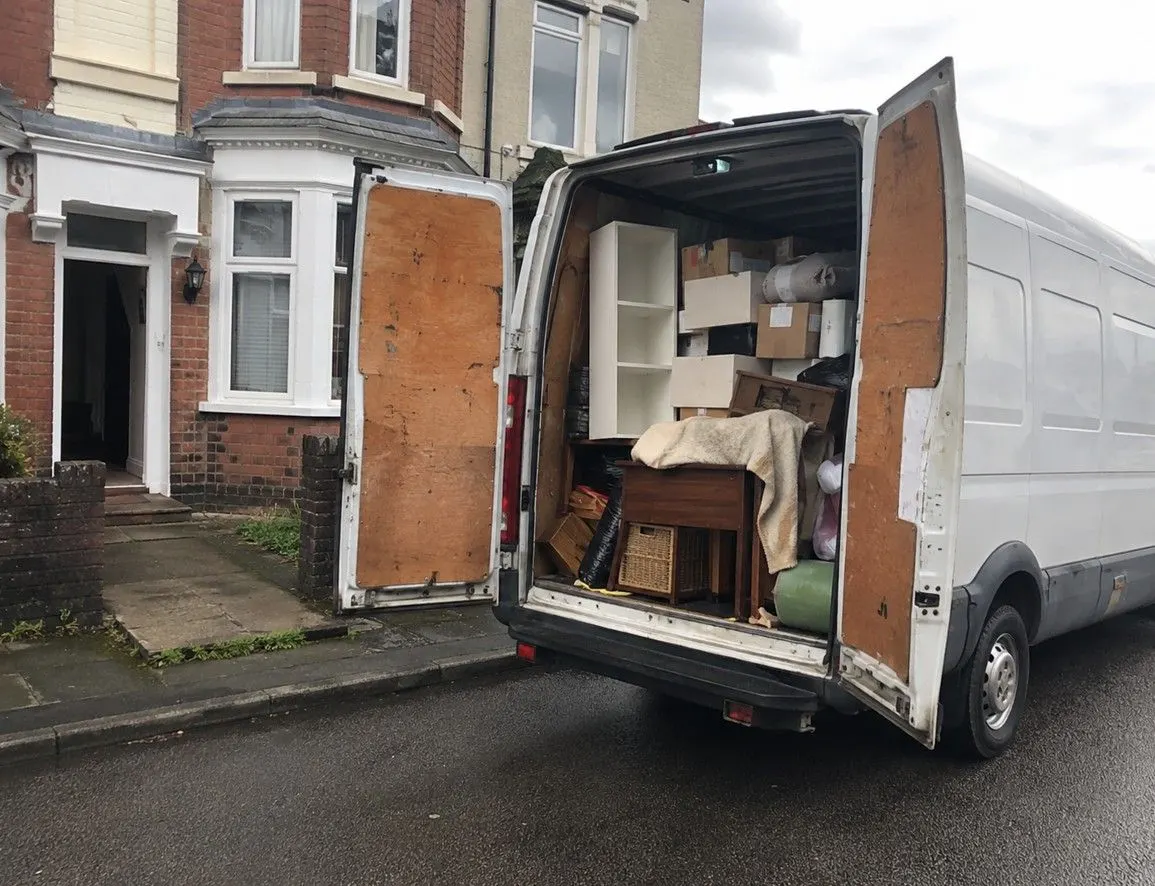
The best way to start a house clearance is to decide what is staying before anything goes. Find the paperwork, set aside keepsakes and anything family members have asked for, and make a clear note of it. Once that is done, the clearance itself is the easy part. This checklist is written for families and executors, often clearing a home after a bereavement, but it works just as well for a move, a downsize or a property being sold.
1. Check who can authorise the clearance
If the property belonged to someone who has died, make sure the person arranging the clearance has the right to do so, usually the executor named in the will or the next of kin, and that other family members agree on what happens to the contents. Talking this through early avoids difficult conversations later. Our probate clearance page covers how clearances fit around the probate process.
2. Find the important documents
Paperwork turns up in drawers, handbags, coat pockets, biscuit tins and the backs of wardrobes. Before the clearance, look for:
- the will and any letters from solicitors
- property deeds, tenancy or mortgage paperwork
- bank and building society statements, cheque books and cards
- pension, insurance and investment documents
- passports, driving licences and birth, marriage and death certificates
- recent utility bills and council tax letters
If you do not have time to search everything yourself, tell us. We can look through drawers and boxes as we go and set aside anything that looks like it matters.
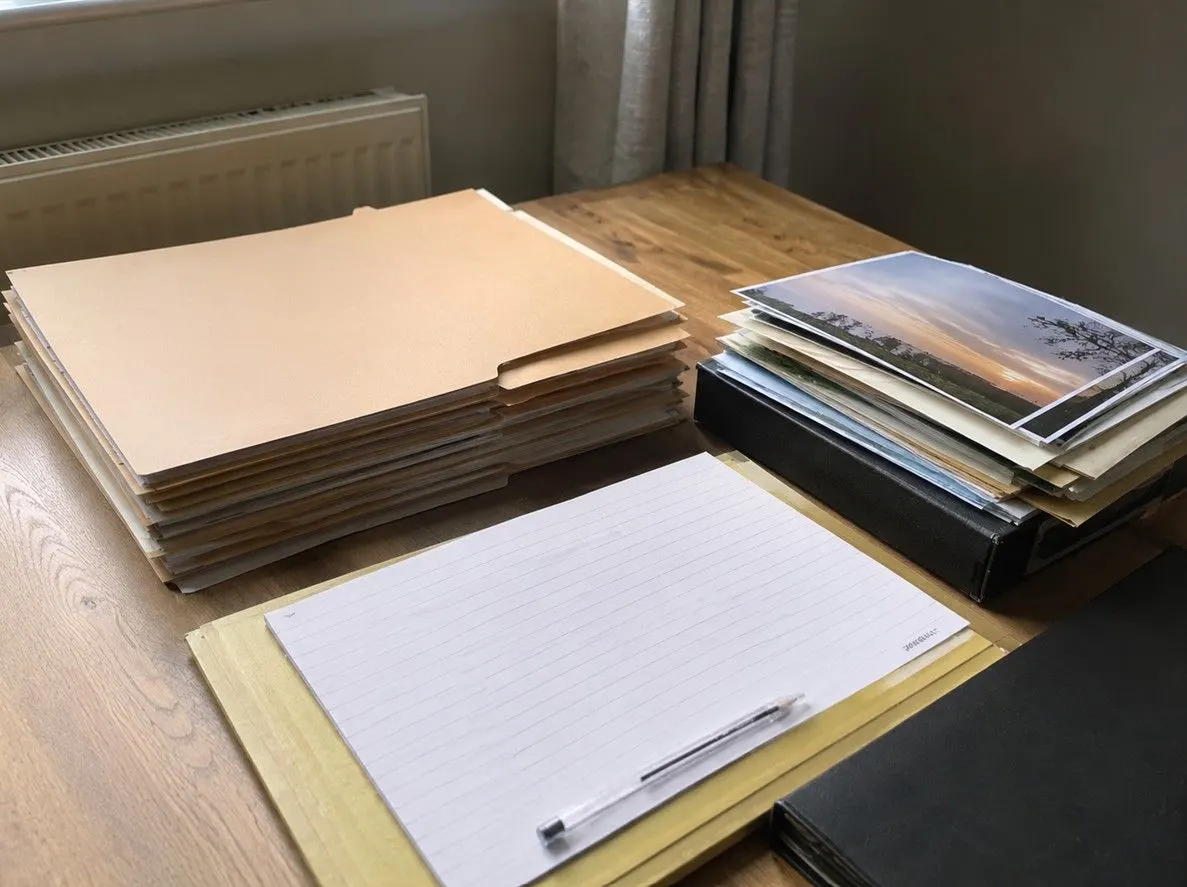
3. Set aside keepsakes and valuables
Photographs, letters, jewellery, medals, ornaments and small personal items are easy to miss in a full house. Walk round each room with family members and agree what each person would like to keep. If anyone lives too far away to visit, send them photos.
If we find anything during the clearance that looks valuable or personal, such as jewellery, cash or documents, we photograph it, set it aside and check with you before doing anything else.
4. Make it obvious what is staying
The simplest system is one room or one corner for everything that is staying, with a clear sign on the door. Coloured stickers also work well for furniture: one colour per family member, and another for items to be collected by someone else. Then tell us about the system when we arrive. What is clear to you in your head is much harder for anyone else to follow.
5. Sort out the admin
- Meter readings: take photos of the gas, electricity and water meters. Keep the supplies on until the clearance is finished, as we may need lights and water.
- Post: arrange a redirection so letters do not pile up behind the door.
- Council tax: let the council know if the property is empty or the occupant has died.
- Insurance: check whether the building insurance needs updating for an unoccupied property.
- Keys and access: decide who will let us in, or whether keys will be collected and returned.
6. Think about what could go to charity
Good-quality furniture, household items and clothing can often go to charity rather than disposal. Upholstered furniture such as sofas and armchairs usually needs its fire safety label still attached for a charity to accept it, so check before assuming it can be donated. We sort reusable items as part of the clearance, and our sofa collection page explains what happens to sofas that cannot be reused.
7. Tell us about anything unusual
When you ask for a quote, mention:
- lofts, garages, sheds, cellars and gardens that need clearing too
- access issues, such as stairs, no lift, narrow hallways or limited parking
- anything potentially hazardous, such as chemicals, gas bottles or materials that could contain asbestos
- pets or animals still at the property
- any deadline, such as a house sale completing or keys going back to a landlord
Photos of each room are the quickest way to get an accurate price. Our house clearance cost guide explains what affects the price and gives typical figures by property size.
8. Decide whether you want to be there
You do not have to be present. Many families prefer to give us clear instructions and receive progress photos during the day, especially when they live some distance away. Others like to be there in case questions come up about particular items. Either works for us.
After the clearance
Once everything has gone, we sweep through and leave the property tidy, ready for cleaning, decorating, valuation or handover. If you are a landlord preparing for a new tenancy, our landlord and tenancy clearance service covers what to do with belongings a tenant has left behind.
Need a hand?
If the list feels overwhelming, you do not have to work through it alone. Call us on 029 2271 5222 or send us a few photos, and we will talk you through the next steps and give you a free, no-obligation quote for a bereavement clearance or general house clearance anywhere in Cardiff and the surrounding area.